
Application scenario
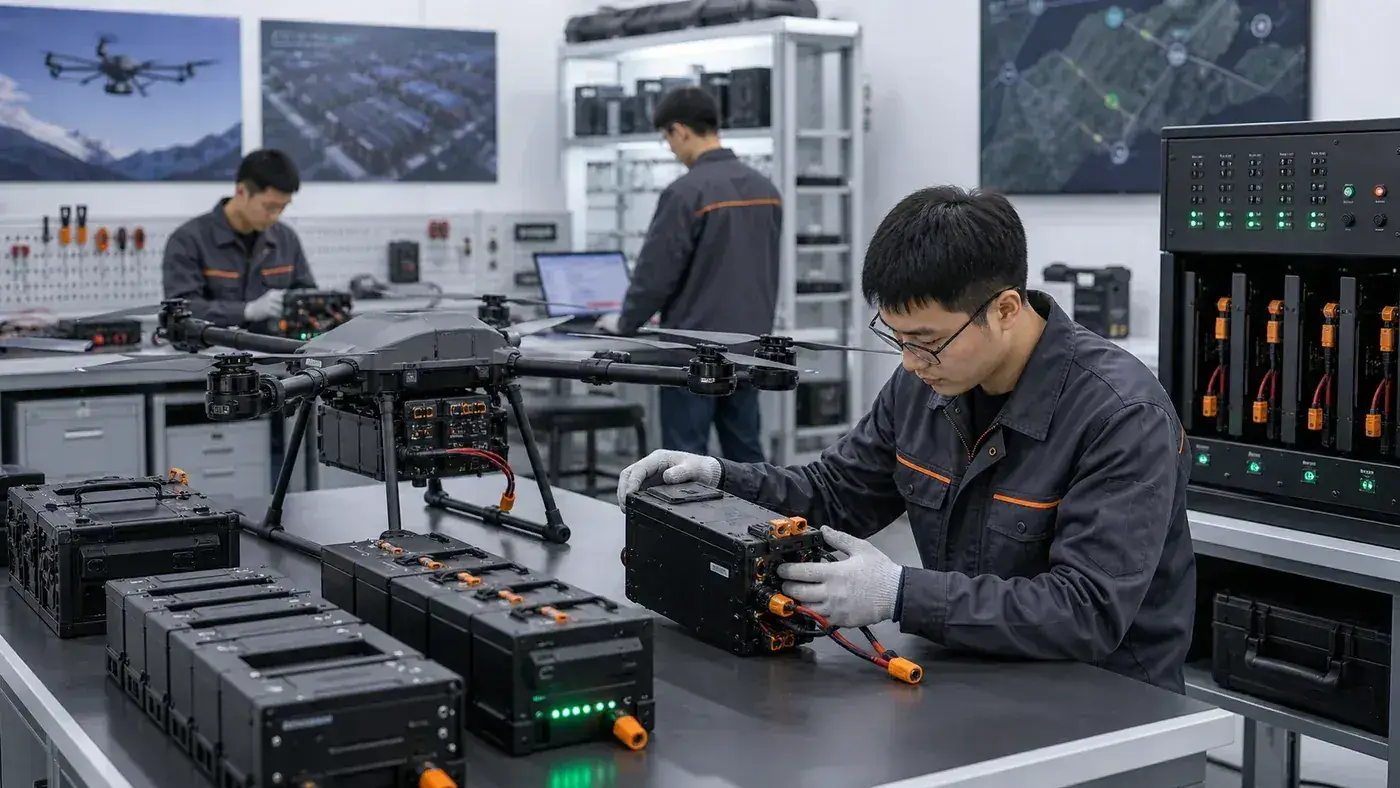
Tuorde's agricultural drone battery solutions are designed for spraying and field operations, utilizing lithium polymer or LiFePO4 chemistries to balance energy density, high-rate discharge, and BMS safety protection.
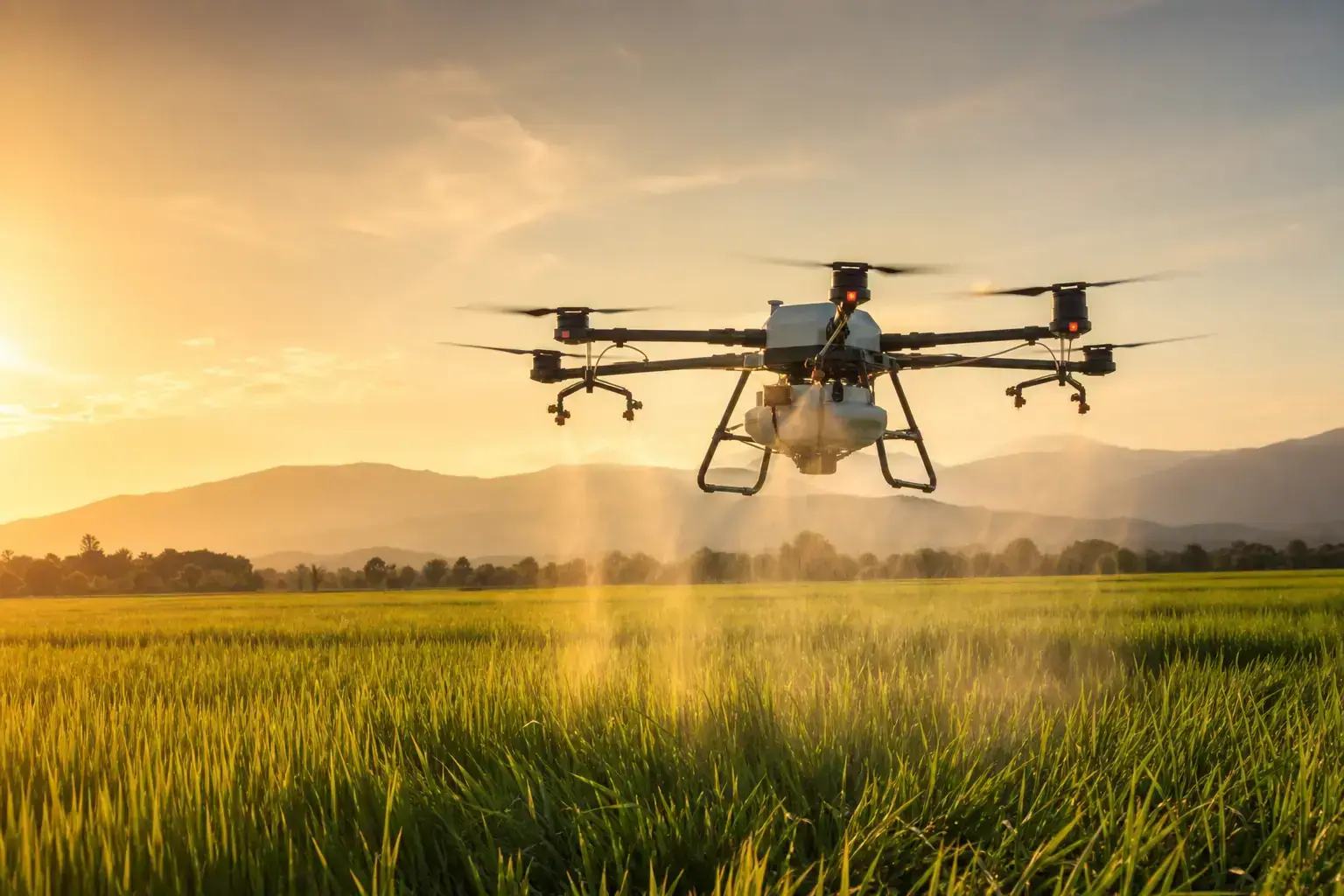
Agricultural drones have become essential tools for efficient modern farming, requiring power batteries that balance lightweight design, endurance, high-rate discharge, and safety.
The solutions support 6S–18S multi-cell configurations, 5C+ continuous discharge, low-temperature preheating, and intelligent BMS, customizable based on drone payload, per-operation area, and cycle life targets.
The following case studies are presented from four dimensions—technical features, performance advantages, usage guidelines, and industry applications—to facilitate engineering evaluation and project inquiries.
Media assets
Related case materials
Specialized Battery Solution for Agricultural Drones
2025-10-14Agricultural drones rely on high-energy-density, lightweight lithium polymer batteries with high-rate discharge for spraying tasks. Tuorde's solutions cover cell selection, BMS protection, structural design, and field endurance optimization, customizable by drone model and operation area.
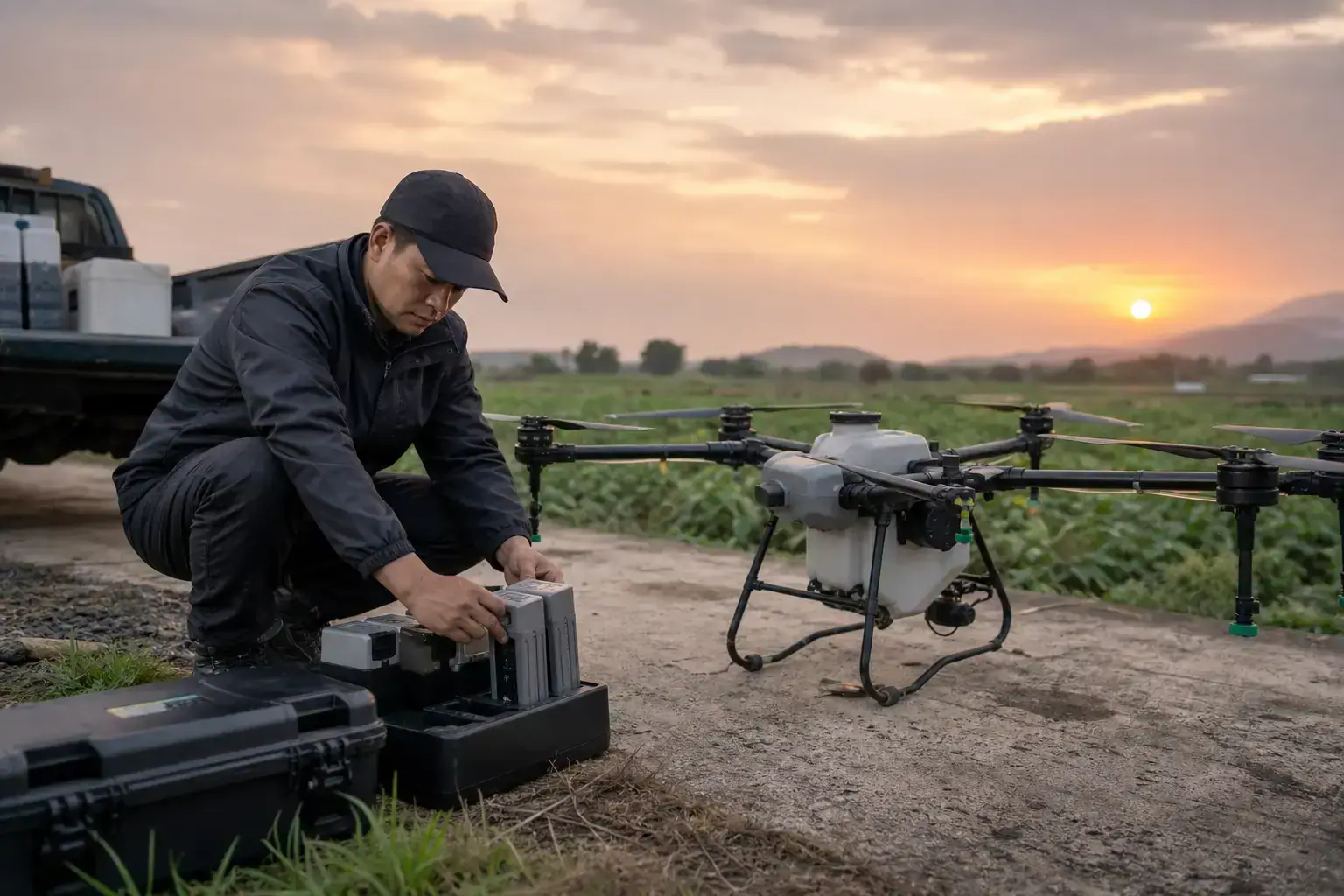
In the modernization of agriculture, agricultural drones have become key field equipment due to their efficient and precise operation. Their power core—lithium polymer (Li-polymer) batteries—supports complex spraying tasks with high energy density, lightweight design, and safety performance.
1. Lithium Polymer Batteries: The Energy Core of Agricultural Drones
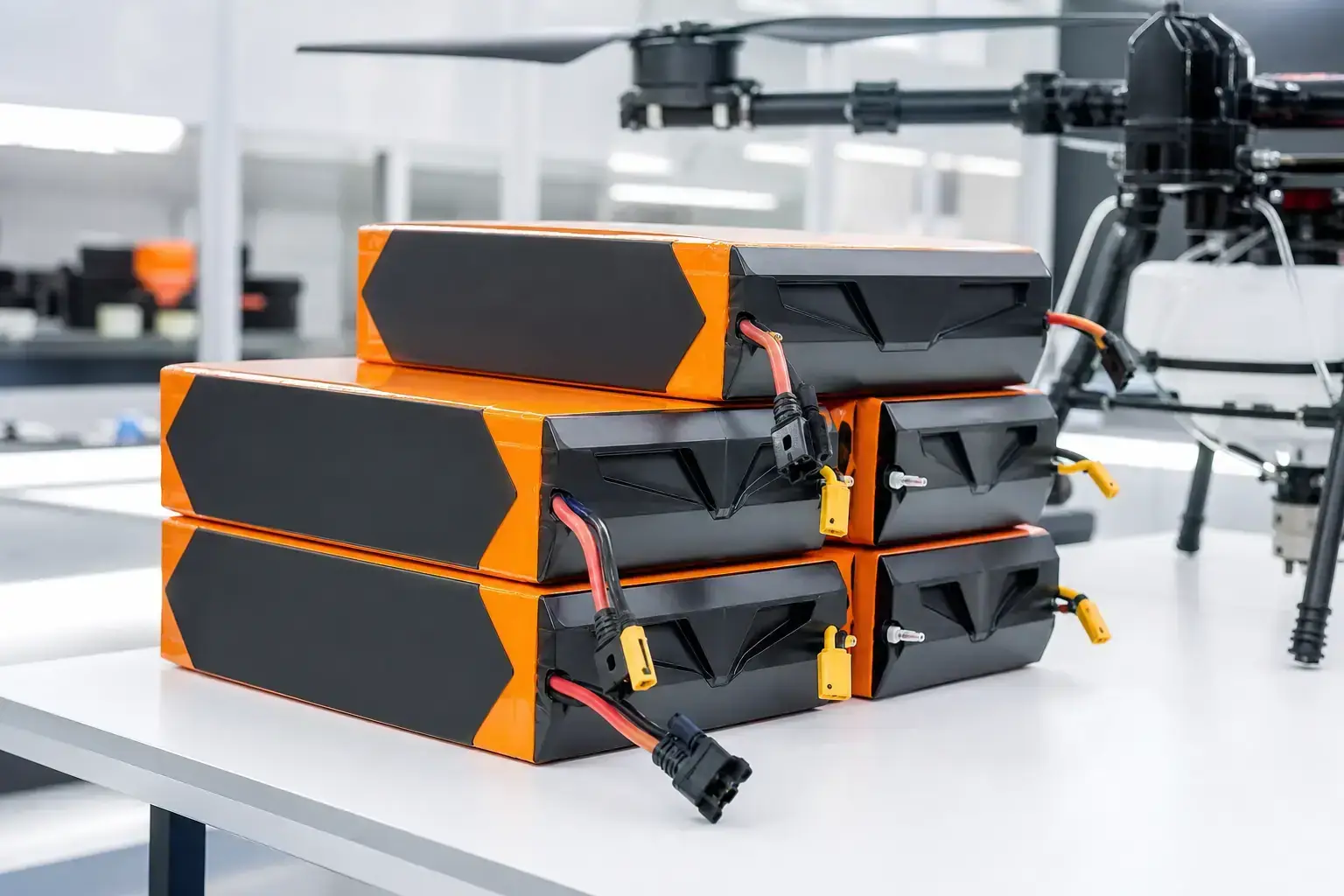
Lithium polymer batteries use polymer electrolytes and aluminum-plastic film pouch packaging, achieving energy densities of 200–260 Wh/kg. A 6S pouch battery can reach 22000 mAh capacity, supporting over 30 minutes of flight for medium-to-large agricultural drones, covering 20–30 mu of farmland per operation. Spraying tasks require frequent starts, stops, and attitude adjustments, demanding 5C+ continuous discharge capability; an 18S/30Ah solution can deliver 150 A at 5C discharge, ensuring stable flight with full pesticide loads.
2. Performance Advantages
2.1 Low-Temperature Adaptability
Agricultural operations often face early morning low temperatures, where traditional lithium batteries experience significant capacity loss below 5°C. With optimized electrolyte formulations, the operating temperature range extends to -20°C, and preheating devices enable operation in extreme cold regions.
2.2 Cycle Life
Agricultural drones typically undergo 2–3 charge/discharge cycles per day, making battery life critical to operational costs. At 70% depth of discharge, high-quality cells can achieve over 1000 cycles, while LiFePO4 systems further reduce per-operation battery costs.
2.3 Intelligent Safety Protection
Modern agricultural batteries integrate BMS for real-time voltage and temperature monitoring. In cases of overcharge (>4.35 V/cell), overdischarge (<2.8 V/cell), or short circuits, the system cuts off the circuit within 0.1 seconds and supports self-recovery protection to minimize operation interruptions.
3. Usage and Maintenance Recommendations
3.1 Shallow Charge and Discharge
It is recommended to keep daily usage between 20%–80% charge to significantly extend cycle life.
3.2 Temperature Management
Charging ambient temperature should be maintained at 0–40°C; preheating to above 20°C before low-temperature operations improves capacity recovery.
3.3 Dedicated Maintenance
Use a balance charger to maintain consistent cell voltages; store at 40%–60% charge for long-term storage, and perform a charge/discharge cycle every 3 months.
3.4 Transport Protection
Use explosion-proof cases to secure batteries during transport, avoiding compression or impact that could cause internal short circuits.
4. Industry Applications
Agricultural drone battery solutions have been deployed in large-scale farms, supporting operational models such as battery leasing and trade-ins to reduce total equipment costs. Combined with battery health data, predictive maintenance can be achieved, minimizing unplanned downtime.
UAV Battery Systems
Tuorde Energy
Tuorde Energy
Tuorde Energy